
Your Custom Text Here
Featured







Your Custom Text Here
Retros are always there, people get used to that and start noting and storing feedback for them. Teams and individuals start to get more thoughtful about process and more creative about improvement possibilities. Retros help people get better at getting better.
Three continents, four countries and countless Zoom calls later, I’m taking stock of what has gone down and creating a list of things that I did that worked great, things that I wish had gone better, as well as things I really wish I had done at all, though I won’t say explicitly which is which ;). As a team of one, (about to become a team of two!) in an entirely new environment, trip-ups were inevitable, but I hope this list will be a help to PMs who are entering into any new company.
Organizations who think they want to experience user centered design processes often get cold feet at the changes that these processes bring. At worst, the client doesn’t agree to research, which leaves us with our assumptions unvalidated and our designs untested. At best, we find a way forward, but often our start times are delayed, and expectations still aren’t clear. The London Pivotal Labs Product and Design teams decided to take steps to fix this broken chain and smooth our client on-boarding process to user research.
Building products, as an entrepreneur or a product manager, can sometimes feel a lot like being a perpetual student. You are always faced with new information coming at you, you have to synthesize it, make decisions and make the idea your own. A lot of the time you’re going at it alone or with a very small team, and you often feel pretty isolated. What do you do when challenges come up, like when sign-ups drop, or your growth levels out?
Out of these, the word “small” is a bit quixotic because the appropriate story size is a range with both an upper and lower bound. So what is a good story size and what are the tradeoffs?
Mobilise has extensive experience working with public and community sector in underserved areas and a deep understanding of their various users’ needs and desires. This wealth of experience means that Mobilise has many ideas of what products could be useful. This shift in business model was instigated when Mobilise spotted an opportunity to capitalize on underutilized public spaces that could help raise engagement in local communities. So their question for us was how they should best get started.
Without a solid understanding of what a new customer segment needs to accomplish, the chances of creating an indispensable product are slim.
OpenSignal had done a lot of work towards their research plan. They had recruited 60 people for a group of super-user participants. They had two focus groups scheduled in their office. They were preparing to conduct some pretty huge global surveys. They wanted the feedback that they got to drive their next stage of development and they came to me to figure out some ways to help them do that. How could they best decide which usability issues to work on and where they should focus enhancements?
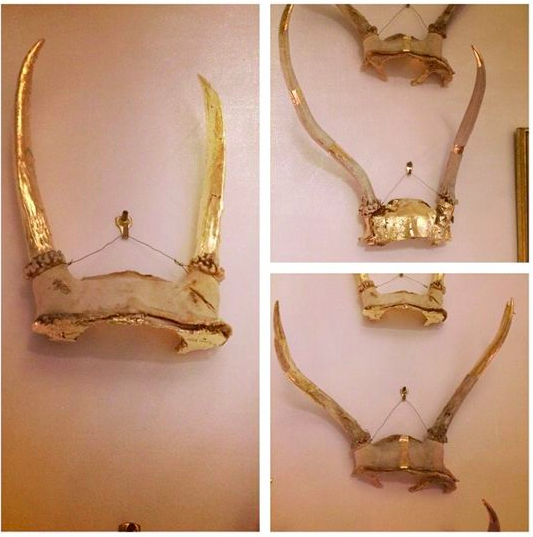
I realized that afternoon that I’d been playing pretend with this idea for nearly 20+ years and it resulted in a beautiful new display for my walls. his got me thinking about play and the effect that the act of play has on us as adults, specifically on adults who are in creative industries. How have we developed into creative people? How can we think about making leaps in innovation and creativity more consistently?